

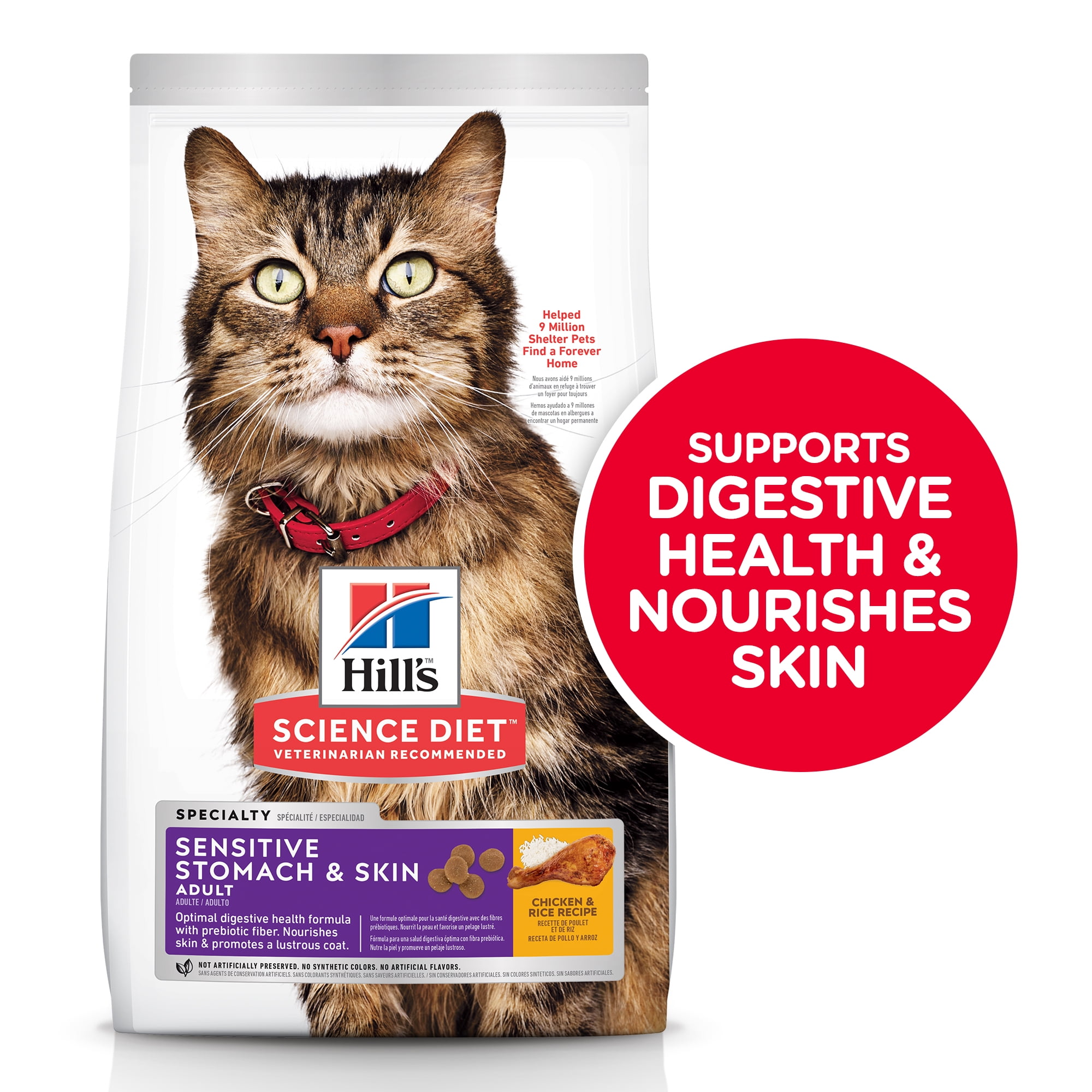
Unraveling the Mystery of Cat Nutrition
Cats, our enigmatic feline companions, have captivated human hearts for centuries. Their sleek coats, playful antics, and independent spirits make them beloved members of our households. But beneath their charming exteriors lies a complex dietary system that requires careful consideration.
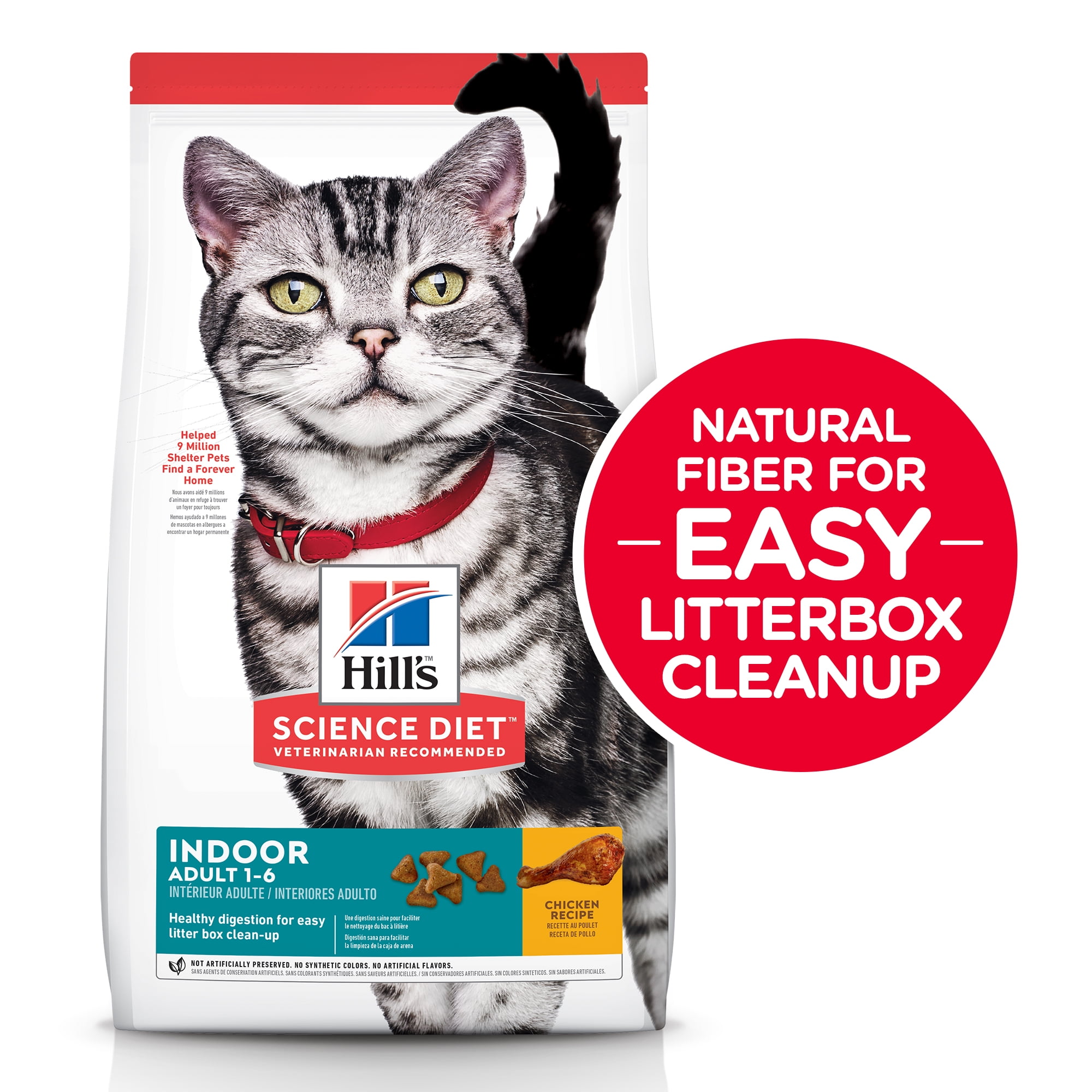
A Carnivorous Craving
As obligate carnivores, cats have evolved to derive most of their nutritional needs from animal-based protein. This fundamental dietary requirement sets them apart from omnivores like humans. Their digestive systems are finely tuned to process meat, and they lack the enzymes necessary to efficiently digest plant-based carbohydrates.
The Science Behind the Feast
To ensure your feline friend thrives, let’s delve into the science behind their dietary needs:
1. Protein Powerhouse:
2. Fatty Acids for Feline Flourishing:
3. Vitamin Vitality:
4. Mineral Marvels:
Tailoring the Perfect Meal
While commercial cat foods are formulated to meet these nutritional needs, it’s important to choose high-quality options that prioritize animal-based protein sources. If you opt for homemade diets, consult with a veterinarian to ensure they are balanced and complete.
Remember, every cat is unique, and their dietary requirements may vary. Consider factors like age, activity level, and overall health when making food choices. A well-nourished cat is a happy and healthy cat, ready to purr, play, and bring joy to your life.
Taurin, eine schwefelhaltige Aminosäure, ist ein essenzieller Nährstoff für Katzen. Es spielt eine entscheidende Rolle in vielen physiologischen Prozessen, insbesondere für die Herzfunktion, die Sehkraft und die Entwicklung des Gehirns.
Warum ist Taurin so wichtig für Katzen?
Katzen können Taurin nicht selbst herstellen. Sie müssen es über ihre Nahrung aufnehmen. Ein Taurinmangel kann zu ernsthaften gesundheitlichen Problemen führen, darunter:
Herzprobleme: Taurin unterstützt die Herzmuskelzellen und hilft, einen normalen Herzrhythmus aufrechtzuerhalten. Ein Mangel kann zu einer Dilatativen Kardiomyopathie (DCM) führen, einer Erkrankung, die das Herz schwächt.
Wie viel Taurin brauchen Katzen?
Der genaue Taurinbedarf einer Katze hängt von verschiedenen Faktoren ab, wie Alter, Größe, Aktivitätsniveau und Gesundheitszustand. Im Allgemeinen empfehlen Tierärzte, dass Katzen täglich etwa 250-500 mg Taurin pro Kilogramm Körpergewicht erhalten.
Wie können Katzen ausreichend Taurin bekommen?
Die beste Möglichkeit, um sicherzustellen, dass Ihre Katze ausreichend Taurin erhält, ist, sie mit einem hochwertigen Katzenfutter zu ernähren. Viele kommerzielle Katzenfutter enthalten Taurin als Bestandteil ihrer Rezeptur. Wenn Sie sich jedoch unsicher sind, können Sie Ihren Tierarzt konsultieren, um eine geeignete Futterempfehlung zu erhalten.
Taurin-Ergänzungsmittel
In einigen Fällen kann es sinnvoll sein, Ihrer Katze ein Taurin-Ergänzungsmittel zu geben. Dies kann insbesondere dann der Fall sein, wenn Ihre Katze ein erhöhtes Risiko für einen Taurinmangel hat, wie zum Beispiel ältere Katzen oder Katzen mit bestimmten gesundheitlichen Problemen.
Bevor Sie Ihrer Katze ein Taurin-Ergänzungsmittel geben, sollten Sie jedoch immer Ihren Tierarzt konsultieren. Er kann Ihnen helfen, die richtige Dosierung zu bestimmen und sicherzustellen, dass das Ergänzungsmittel sicher für Ihre Katze ist.
Fazit
Taurin ist ein essentieller Nährstoff für Katzen, der für eine optimale Gesundheit unerlässlich ist. Indem Sie sicherstellen, dass Ihre Katze ausreichend Taurin erhält, können Sie dazu beitragen, ihre Herzgesundheit, Sehkraft und neurologische Funktion zu schützen.


