


Understanding Purina HA Dog Food
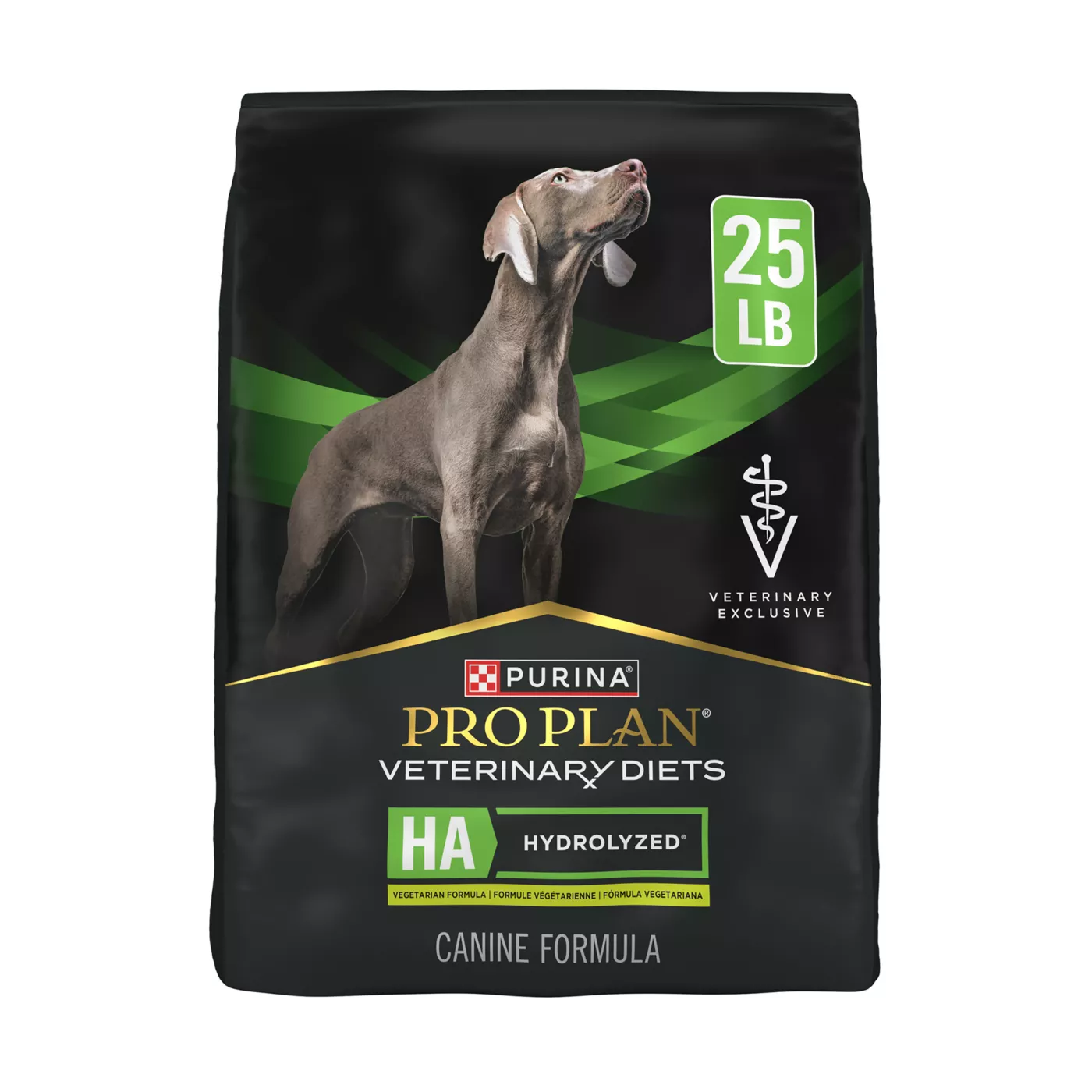
Purina HA Dog Food is a specially formulated diet designed to cater to dogs with sensitive skin and digestive systems. The “HA” in the name stands for “Hydrolyzed Albumin,” a protein source that has been broken down into smaller peptides. This breakdown process makes the protein less likely to trigger allergic reactions in dogs prone to sensitivities.

The Benefits of Purina HA Dog Food
Hypoallergenic: The hydrolyzed protein in Purina HA is less likely to cause allergic reactions, making it a suitable option for dogs with skin allergies, itchy skin, or digestive issues.

How Purina HA Works
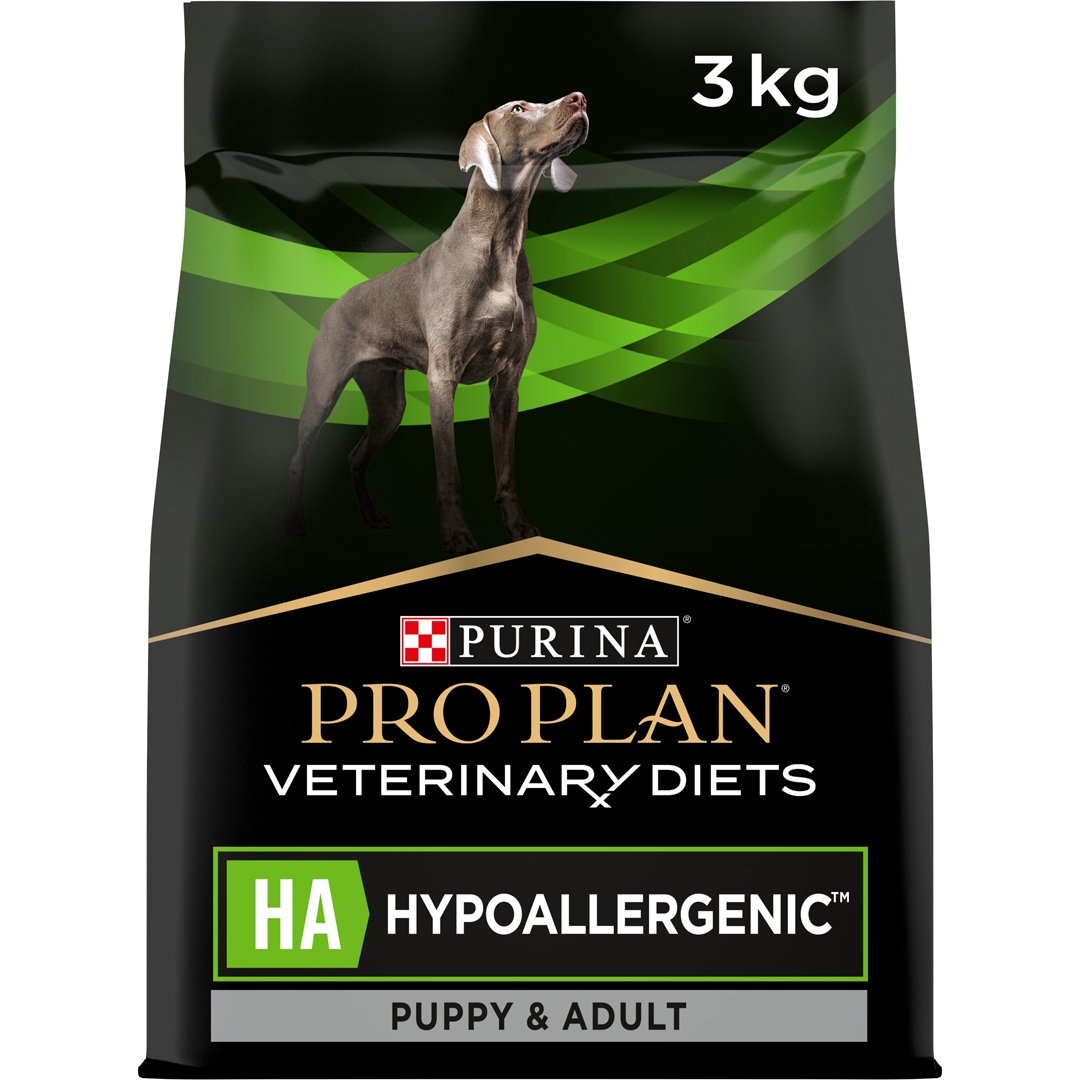
The hydrolyzed protein in Purina HA is a key factor in its effectiveness. When dogs with allergies consume traditional protein sources, their immune systems can mistakenly identify them as foreign invaders. This can lead to an allergic reaction, resulting in symptoms like itchy skin, digestive upset, and other problems.
However, the hydrolyzed protein in Purina HA is so small that the immune system is less likely to recognize it as a threat. This reduced immune response helps to minimize allergic reactions and improve overall health.
When to Consider Purina HA
If your dog is experiencing any of the following symptoms, Purina HA may be worth considering:
Itchy skin
It’s important to consult with your veterinarian to determine if Purina HA is the right choice for your dog. They can evaluate your dog’s symptoms and recommend the most appropriate treatment plan.
Transitioning to Purina HA
When transitioning your dog to Purina HA, it’s important to do so gradually to avoid digestive upset. Start by mixing a small amount of Purina HA with your dog’s current food and gradually increase the proportion of Purina HA over several days. This will give your dog’s digestive system time to adjust to the new food.
Additional Tips for Managing Allergies
In addition to feeding Purina HA, there are other steps you can take to help manage your dog’s allergies:
Regular grooming: Brushing your dog regularly can help to remove allergens from their coat.
By combining Purina HA with these additional measures, you can help your dog live a happier and healthier life.
2. The Science Behind Hypoallergenic Dog Food
Understanding the science behind hypoallergenic dog food can help you make informed decisions about your pet’s nutrition. Hypoallergenic diets are designed to minimize potential allergens, such as proteins and grains, that can trigger allergic reactions in dogs. These reactions can manifest in various ways, including itchy skin, ear infections, digestive upset, and food sensitivities.
Protein Sources:
One of the primary factors in hypoallergenic dog food is the protein source. Traditional dog food often uses common proteins like beef, chicken, and lamb, which can be allergens for some dogs. Hypoallergenic diets typically employ less common proteins like salmon, duck, or venison. These novel proteins are less likely to trigger allergic reactions in dogs with sensitivities.
Grain-Free Options:
In addition to protein sources, grains can also contribute to allergies in dogs. Many hypoallergenic dog foods are grain-free, opting for alternative carbohydrates like potatoes, peas, or lentils. These ingredients provide essential nutrients without the risk of triggering allergic reactions.
Hydrolyzed Proteins:
Hydrolyzed proteins are another key component of hypoallergenic dog food. These proteins are broken down into smaller peptides or amino acids, making them less likely to be recognized as allergens by the dog’s immune system. Hydrolyzed protein diets are often recommended for dogs with severe food allergies.
Elimination Diets:
Elimination diets are a common approach to identifying food allergies in dogs. These diets involve feeding your dog a single protein and carbohydrate source for a period of time to determine if it triggers any allergic symptoms. If no reactions occur, you can gradually introduce other ingredients to identify potential allergens.
Choosing the Right Hypoallergenic Dog Food:
When selecting a hypoallergenic dog food, it’s essential to consider your dog’s specific needs and preferences. Look for diets that are formulated with high-quality ingredients, are nutritionally balanced, and are appropriate for your dog’s age, size, and activity level. Consulting with your veterinarian can also provide valuable guidance in choosing the best hypoallergenic option for your furry friend.
Beyond the Basics:
While hypoallergenic dog food is a crucial component of managing allergies, it’s important to consider other factors as well. Regular grooming can help to reduce skin irritation, and maintaining a clean environment can minimize exposure to potential allergens. Additionally, addressing underlying health issues, such as parasites or hormonal imbalances, can contribute to overall skin and digestive health.
By understanding the science behind hypoallergenic dog food and taking a holistic approach to your pet’s care, you can help your dog live a happy, healthy, and allergy-free life.


