


Choosing the right puppy food is a crucial step in ensuring your furry friend thrives. It’s akin to selecting the perfect soil for a young sapling – the right nutrients will encourage robust growth and a vibrant future.
Why Puppy Food Matters
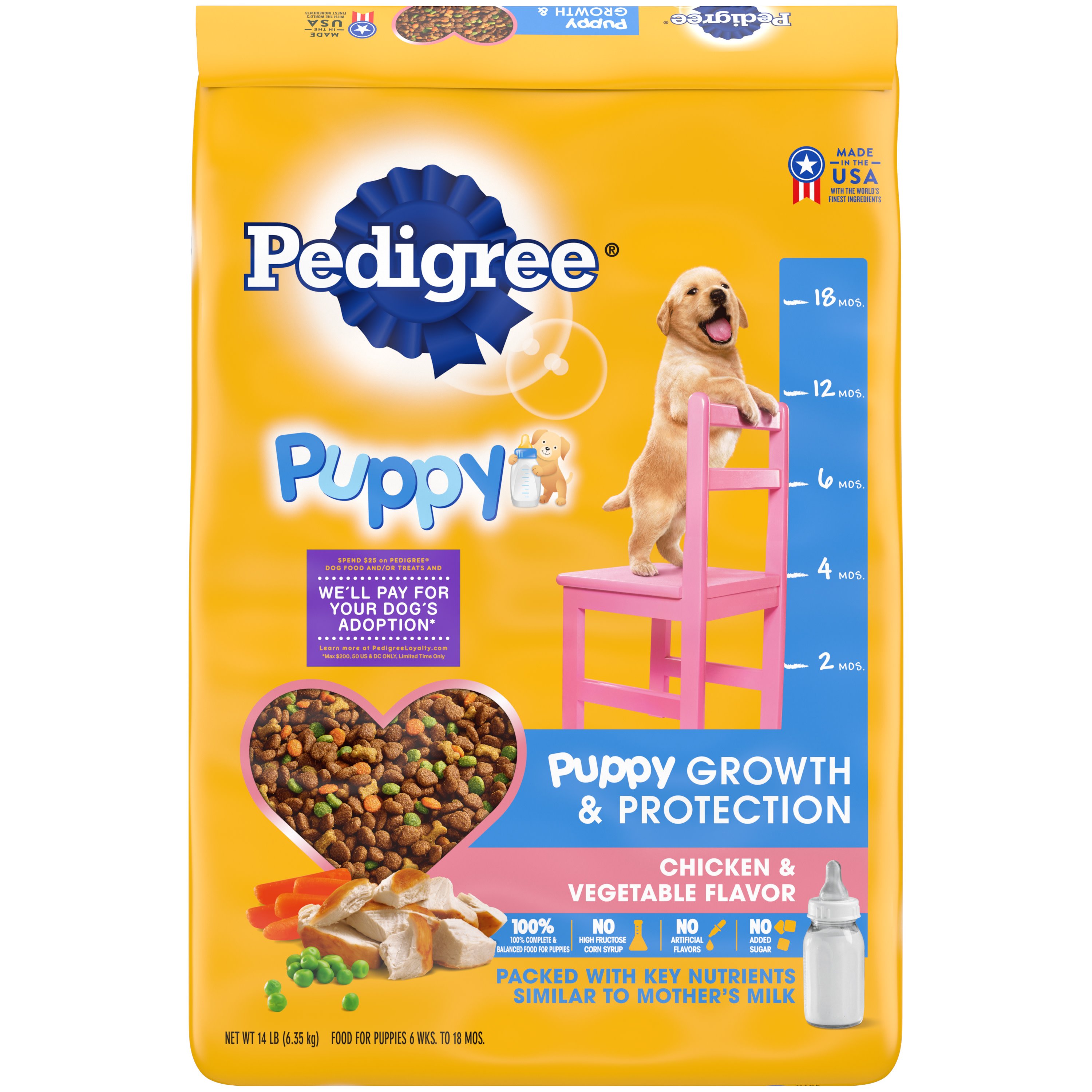
Puppies have unique nutritional needs compared to adult dogs. Their rapidly growing bodies require a diet rich in proteins, fats, vitamins, and minerals. Puppy food is specifically formulated to meet these demands, promoting healthy development of bones, muscles, and organs.
Key Nutrients to Look For
Protein: The building block of life, protein is essential for tissue repair and growth. Look for high-quality protein sources like chicken, lamb, or fish.
Choosing the Right Puppy Food
When selecting puppy food, consider the following factors:
Breed Size: Different breeds have varying nutritional needs. Small breeds may require higher calorie and protein content, while large breeds might benefit from joint health supplements.
Feeding Guidelines
Follow the feeding guidelines on the food package. Overfeeding can lead to obesity, while underfeeding can hinder growth. Adjust the portion size as your puppy grows and becomes more active.
Fresh Water
Always provide fresh, clean water. Water is essential for digestion, temperature regulation, and overall health.
Transitioning to Adult Food
Once your puppy reaches adulthood, you can gradually transition them to adult dog food. This process typically takes a few weeks to avoid digestive upset.
By providing your puppy with a nutritious diet, you’re setting the stage for a long, happy, and healthy life. Remember, a well-nourished puppy is a happy puppy!
2. Kibble: The Classic Choice
Kibble, the crunchy, bite-sized morsels of dog food, has been a staple in canine diets for decades. It offers a convenient and balanced approach to feeding your furry friend, especially during their formative puppyhood. Let’s delve into the world of kibble and why it’s a popular choice for many pet owners.
The Science Behind Kibble
Kibble is manufactured through a process that involves combining high-quality ingredients, such as meat, grains, and vegetables. These ingredients are cooked, dried, and then extruded into the familiar kibble shape. This process helps to preserve nutrients and ensures a consistent product.
One of the key advantages of kibble is its ability to promote dental health. The chewing action required to break down kibble can help to scrape plaque and tartar from your puppy’s teeth, reducing the risk of gum disease. Additionally, kibble often contains specific ingredients that are designed to support oral hygiene.
Choosing the Right Kibble
When selecting kibble for your puppy, it’s essential to consider several factors:
Age-Appropriate Formula: Puppies have different nutritional needs than adult dogs. Look for a kibble specifically formulated for puppies, as it will contain the right balance of proteins, fats, and carbohydrates to support their growth and development.
Feeding Guidelines
Follow the feeding instructions on the kibble bag to ensure your puppy receives the appropriate amount of food. Remember that puppy food portions may need to be adjusted as your furry friend grows. It’s also important to provide your puppy with plenty of fresh water.
Beyond the Bowl: Enrichment Activities
While kibble is a convenient and nutritious option, it’s important to provide your puppy with mental and physical stimulation. Consider incorporating enrichment activities into their daily routine, such as:
Puzzle Feeders: These interactive toys challenge your puppy to work for their food, stimulating their mind and promoting healthy eating habits.
A Note on Homemade Diets
While homemade diets can be tailored to your puppy’s specific needs, it’s crucial to consult with a veterinarian to ensure that they are nutritionally balanced. Miscalculations can lead to deficiencies or excesses, potentially harming your puppy’s health.
Kibble offers a reliable and convenient way to nourish your puppy. By choosing a high-quality brand and following feeding guidelines, you can provide your furry friend with the foundation for a healthy and happy life.


